Replica vs original lawn: price, quality and how to tell
How to tell replica lawn from original designer suits in Pakistan: fabric, print, embroidery, dupatta and tags — and why the prices can’t be compared directly.
Published 4 min read

The short answer
Replica lawn copies a designer’s look at a fraction of the price, but fabric weight, print sharpness, embroidery, dupatta material and finishing usually fall short, and quality varies widely between sellers. Originals come with brand tags, article numbers and brand packaging from authorised outlets. Replicas and originals are different products — compare each only with its own kind.
Key takeaways
- “Master copy”, “first copy”, “A+” and “inspired by” are all replicas.
- Check the fabric weight and weave, print clarity, embroidery density and the dupatta fabric.
- Originals have brand tags, article numbers and come from authorised outlets or websites.
- Replica quality varies a lot between sellers — the cheapest can be very poor.
- Never pay an original’s price for a replica; DAAM keeps the two strictly separate.
On this page
Why replicas are everywhere
Designer lawn is expensive and sells out fast, and its look is easy to photograph and copy. So a large replica market has grown around every popular collection, selling in markets such as Liberty and Anarkali in Lahore and Tariq Road in Karachi, and heavily online. Some sellers are upfront; others blur the line with “original quality” or “same to same”.
The replica vocabulary
- Replica / copy — a copy of a designer’s design.
- Master copy, first copy, A+, 1:1 — claims of higher-quality replicas; not standards.
- Inspired by — a similar look, not a direct copy.
- Original / brand — made and sold by the brand, with its tags and packaging.
How to tell them apart
| Check | Original | Typical replica |
|---|---|---|
| Fabric | Consistent weight and fine, even weave | Thinner or rougher; weave may be uneven |
| Sharp edges, accurate colours, aligned patterns | Blurry details, colour shifts, misaligned repeats | |
| Embroidery | Dense, neat, consistent thread | Sparser stitches, loose threads, simplified motifs |
| Dupatta | As described — chiffon, silk, organza | Often a cheaper substitute fabric |
| Tags and article number | Brand label and article number | Missing, generic or fake labels |
| Where sold | Brand stores, brand website, authorised stockists | Markets, social media, marketplaces |
A good replica can pass a quick glance. In daylight, side by side, the differences usually show — especially in the dupatta and embroidery.
Quality varies between replicas
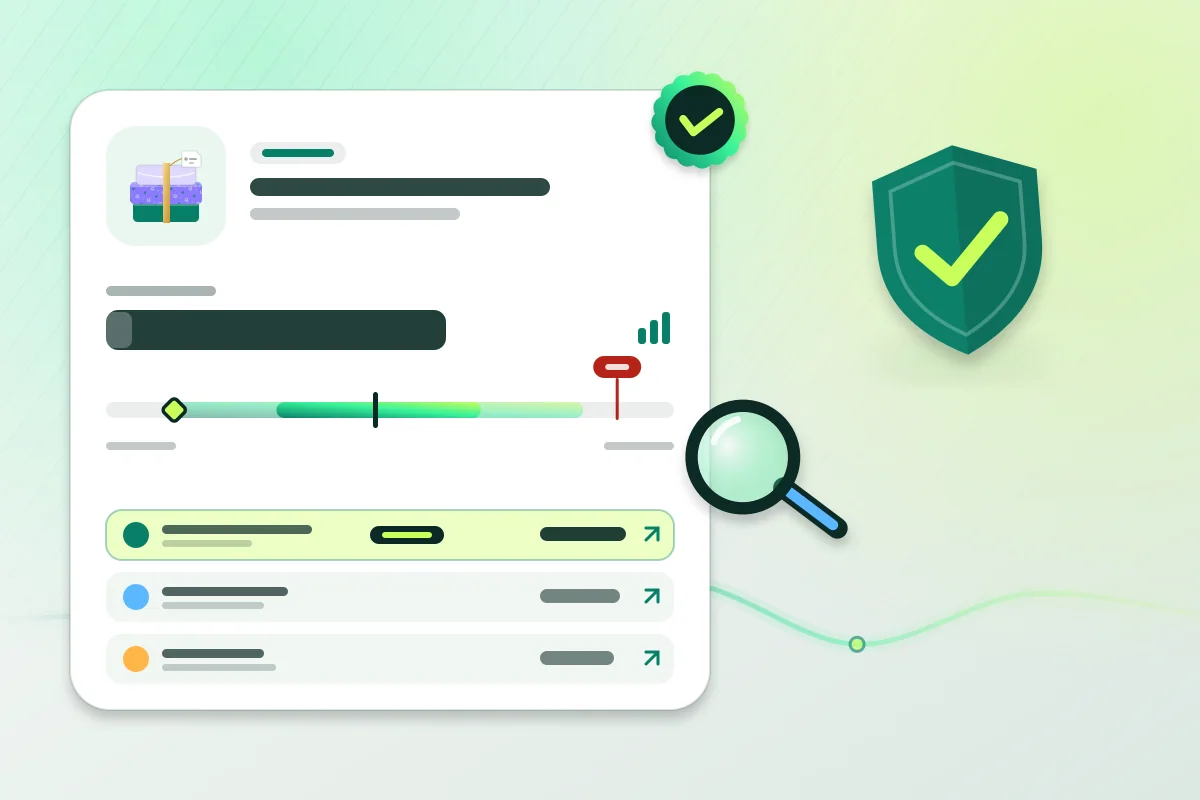
Not all replicas are the same. The price range within the replica market is wide, and so is quality. The cheapest often use thin fabric that fades or shrinks. If you choose a replica knowingly, judge it on its own merits: fabric, print and stitching — not on how close the photo looks to the designer’s.
Free · no sign-up needed
Know the original’s price before you’re offered a “copy”
Ask DAAM for the verified range of the genuine article, including its sale history, and decide with the full picture.
Opens DAAM with: “Sana Safinaz lawn original price”
Comparing prices fairly
A replica isn’t a cheaper version of the original — it’s another product. That’s why DAAM never matches replicas to originals: a “master copy” listing will never appear as a cheaper offer for a designer suit, and the range you see for an original article is for genuine stock only. If you want a designer look for less, compare the original’s sale price (see the clothing sale calendar) with a good replica’s price, and decide with both in view.
Buying originals safely
- Buy from the brand’s stores or website, or stockists the brand lists.
- Check the article number on the tag against the brand’s catalogue.
- Keep the receipt for exchanges.
- Be wary of “original at replica price” offers — they’re almost always replicas.
Spotting replica listings online
Online, you can’t touch the fabric, so read the listing closely:
- Photos copied from the brand’s website are a warning sign; real sellers show their own stock.
- “Same as picture”, “original quality” or “imported” wording usually means a replica.
- A price far below the brand’s own sale price is almost never genuine stock.
- Check reviews with customer photos, and prefer cash on delivery with an open-parcel option so you can inspect before paying.
A note on fairness
Replicas copy designers’ work without permission, and selling counterfeits under a brand’s name can breach trademark law. Whatever you choose, knowing exactly what you’re buying — and paying a price that matches it — protects you from the most common trick: a replica sold as the real thing.
For fabric checks that apply to any suit, see the lawn fabric quality check.
Frequently asked questions
How can I tell if a lawn suit is original or a replica?
Check the fabric weight and weave, print sharpness, embroidery density, the dupatta fabric and the brand tag and article number. Originals are sold by the brand or its authorised stockists.
What does master copy lawn mean?
It is a replica marketed as high quality. “Master copy”, “first copy”, “A+” and “1:1” are sellers’ claims, not standards, and quality varies widely.
Are replica lawn suits worth buying?
Some are decent value if you know they are replicas and pay a replica price. Judge them on fabric, print and stitching, and never pay close to the original’s price.
Does DAAM show replica prices as cheaper originals?
No. DAAM treats replicas and originals as different products, so replica listings never appear as cheaper offers for a designer article.
Free · no sign-up needed
Know the original’s price before you’re offered a “copy”
Ask DAAM for the verified range of the genuine article, including its sale history, and decide with the full picture.
Opens DAAM with: “Sana Safinaz lawn original price”
Written by
Hamza writes DAAM’s price guides for shoppers in Pakistan: where to buy, what to check before paying and how to use verified prices to avoid being overcharged.